
bathroom obscure glass
Measuring Tools in Metal Work Essential Instruments for Precision In the world of metalworking, precision and accuracy are paramount. Whether it's crafting intricate components for machinery or fabricating custom parts for artistic projects, the measurements taken during the production process can significantly impact the final outcome. To achieve the desired level of quality, metalworkers rely on an array of measuring tools specifically designed for the trade. Understanding these tools and their applications is crucial for anyone involved in metalwork. 1. Calipers Versatility in Measurement Calipers are one of the most versatile measuring tools used in metalworking. Available in various forms—such as vernier calipers, digital calipers, and dial calipers—they allow metalworkers to measure the internal and external dimensions of a workpiece, as well as depths. The precision of calipers can range from 0.01mm to 0.001mm, making them invaluable for tasks requiring high accuracy. Digital calipers, in particular, have gained popularity due to their ease of use and clear digital displays, eliminating the need for manual reading and minimizing errors. 2. Micrometers For Extreme Precision When it comes to achieving even greater accuracy, micrometers are the tool of choice. These instruments are designed primarily for measuring small dimensions with remarkable precision—typically up to 0.001mm. The most common types include outside micrometers, inside micrometers, and depth micrometers, each serving a specific purpose in the measurement process. Outside micrometers measure the thickness or diameter of an object, whereas inside micrometers gauge the internal dimensions. Depth micrometers, on the other hand, are ideal for measuring hole depths or recesses. Given their sensitivity and accuracy, micrometers are essential for high-precision metalworking tasks. 3. Tape Measures Quick and Efficient Measurements Tape measures are perhaps the most recognizable measuring tool and are widely used in metalwork for quick and efficient measurements over longer distances. Industrial-grade tape measures are typically made from durable materials that can withstand rough handling and environmental wear. When measuring larger workpieces, a good-quality tape measure becomes indispensable, allowing metalworkers to quickly assess lengths, widths, and other dimensions without fuss. measuring tools in metal work 4. Squares Ensuring Right Angles Achieving precise angles is critical in metal fabrication, and layout squares (or framing squares) play an important role in ensuring components are cut at the correct angles. These tools come in various sizes, and many are made of heavy steel for stability. Metalworkers use squares not only for checking right angles but also for laying out lines on metal surfaces, making them essential for creating straight cuts and accurate assemblies. 5. Levels Maintaining Alignment In addition to measuring lengths and angles, maintaining alignment is crucial in metalwork. Levels, including spirit levels and laser levels, help workers ensure their setups are perfectly aligned. Whether during the assembly of structures or the calibration of machines, levels provide a necessary check, allowing metalworkers to align components correctly before securing them. 6. Protractors Measuring Angles Accurately For projects that require the measurement of angles, protractors are indispensable. These tools allow metalworkers to precisely measure and layout angles on materials. Modern protractors may also include digital displays for easy reading, which can dramatically reduce the chances of error during the measurement process. Conclusion In conclusion, the importance of precise measurements in metalworking cannot be overstated. The right measuring tools not only enhance the quality of the final product but also improve efficiency and reduce material waste. By incorporating a range of measuring instruments—calipers, micrometers, tape measures, squares, levels, and protractors—metalworkers can achieve the high standards required in today’s demanding manufacturing environments. Embracing these tools will undoubtedly elevate one's proficiency in metalworking, leading to more successful and satisfying results.
about
bathroom obscure glass
Dimensional inspection is a cornerstone of quality control in manufacturing, ensuring components meet precise specifications. Among the tools critical to this process, pin gauges stand out for their accuracy and reliability. To maximize their effectiveness, specialized training programs are essential. These programs equip inspectors with the skills to leverage pin gauges , calibrated pin gauges , pin gauge sets , and standard pin gauges effectively. This article explores how structured training enhances inspection outcomes, emphasizing the role of these tools in industrial applications. Understanding the Role of Pin Gauge in Precision Measurement A pin gauge is a cylindrical tool designed to verify the dimensional accuracy of holes, slots, and other features. Its simplicity belies its importance: even minor deviations in hole diameters can lead to assembly failures or performance issues. Training programs begin by familiarizing inspectors with the fundamentals of pin gauge usage, including selection, handling, and interpretation of results. Key topics in this phase include: Material Compatibility:Understanding how pin gauges interact with different workpiece materials to avoid wear or damage. Tolerance Alignment: Matching pin gauges to specified tolerances to ensure measurements align with design requirements. Environmental Factors: Addressing temperature, humidity, and cleanliness to maintain measurement integrity. By mastering these basics, inspectors lay the groundwork for advanced applications involving calibrated pin gauges and multi-tool systems like pin gauge sets . Optimizing Accuracy with Calibrated Pin Gauges Calibrated pin gauges are precision instruments traceable to national or international standards, ensuring their measurements are consistently accurate. Training programs emphasize the importance of calibration cycles, certification protocols, and error mitigation strategies. A well-structured curriculum covers: Calibration Intervals: Establishing schedules to maintain the accuracy of calibrated pin gauges over time. Certification Documentation: Interpreting calibration certificates to verify tool compliance. Error Identification: Recognizing signs of wear or misalignment in calibrated pin gauges before they compromise results. Hands-on exercises simulate real-world scenarios, such as measuring high-tolerance aerospace components or automotive parts. Trainees learn to cross-reference calibrated pin gauges with digital measurement systems, reinforcing the importance of redundancy in critical inspections. Mastering Versatility with a Pin Gauge Set A pin gauge set combines multiple gauges of varying diameters, enabling inspectors to tackle diverse measurement tasks efficiently. Training programs focus on optimizing the use of these sets through systematic approaches. Critical training modules include: Set Organization: Categorizing gauges by size, tolerance, or application to streamline workflows. Rapid Selection Techniques: Using gauge blocks or digital catalogs to identify the right pin gauge from a set quickly. Cross-Validation:Employing multiple gauges from a pin gauge set to validate measurements and reduce uncertainty. For example, in medical device manufacturing, a pin gauge set might be used to inspect injection-molded parts with tight tolerances. Trainees practice sequencing measurements from largest to smallest pin diameters, ensuring seamless transitions between gauges. Ensuring Compliance with Standard Pin Gauge Practices Standard pin gauges serve as reference tools for establishing baseline measurements across production lines. Training programs highlight their role in maintaining consistency, especially in industries like automotive or electronics where batch uniformity is critical. Key training objectives include: Reference Alignment:Using standard pin gauges to calibrate other measurement tools or fixtures. Batch Testing: Implementing standard pin gauges to validate entire production runs against design specs. Audit Preparedness: Preparing documentation trails that demonstrate compliance using standard pin gauges . Case studies often illustrate how deviations detected by standard pin gauges have prevented costly recalls. For instance, a deviation in fuel injector holes identified during routine checks can trigger process adjustments before defective parts reach assembly. FAQs About Pin Gauge Training Programs What industries benefit most from training on pin gauge usage? Industries such as aerospace, automotive, medical devices, and electronics rely heavily on pin gauges for high-precision inspections. Training ensures personnel can meet industry-specific standards like AS9100 or ISO 13485. How often should calibrated pin gauges be rechecked for accuracy? Calibrated pin gauges should undergo recalibration annually or per manufacturer guidelines. Heavy-use environments may require shorter intervals to maintain traceability. Can a pin gauge set replace digital measurement tools? A pin gauge set complements digital tools by providing physical verification. While digital systems offer speed, pin gauges deliver unambiguous pass/fail results for go/no-go inspections. Why are standard pin gauges critical for quality audits? Standard pin gauges provide auditable proof of measurement consistency. Their traceable certifications help organizations demonstrate compliance during regulatory reviews. What safety protocols apply when handling pin gauges? Inspectors should wear gloves to prevent contamination, store pin gauges in protective cases, and avoid dropping them to preserve calibration integrity. Investing in pin gauge training programs elevates dimensional inspection capabilities, reducing errors and enhancing product quality. By mastering pin gauges , calibrated pin gauges , pin gauge sets , and standard pin gauges , inspectors become adept at navigating complex manufacturing environments. As industries continue to demand higher precision, these skills will remain indispensable for maintaining competitive edge and operational excellence.
-

High quality industrial productsagement

High quality industrial products
View Details -

Meet the diverse needs of customers

Meet the diverse needs of customers
View Details -

Strict quality control

Strict quality control
View Details -

Top raw materials

Top raw materials
View Details -

Trusted supplier

Trusted supplier
View Details
Our application


news and information

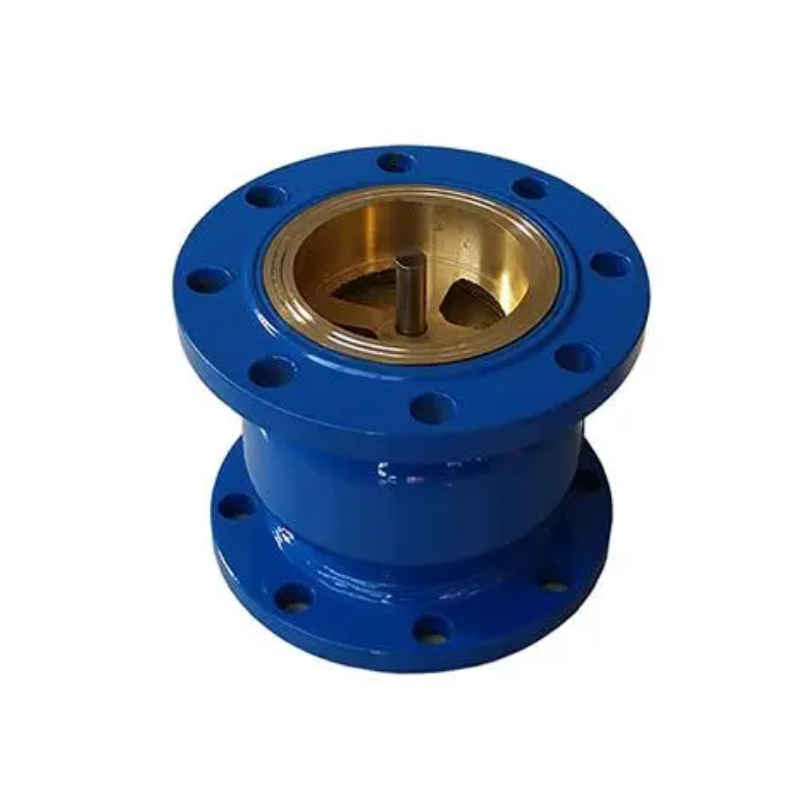
Ventile de grille de 18 pouces
La vanne de portail de 18 pouces un élément clé pour la gestion des fluides Les vannes jouent un rô
Utilize brackets for wood connection
The Indispensable Role of Brackets in Wood Joinery In the realm of woodworking, brackets play an es

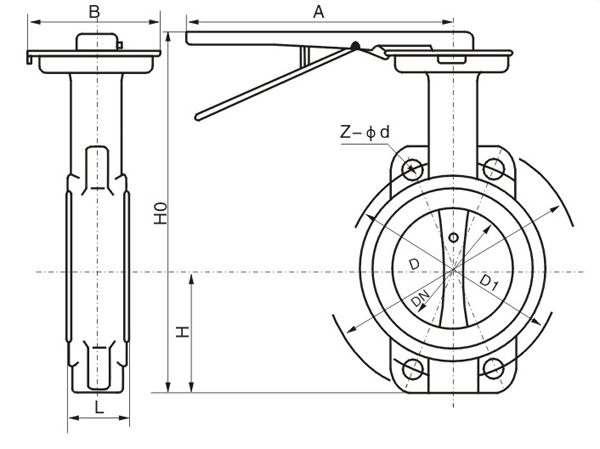
Water Control Valves_ Essential Components for Fluid Regulation
When it comes to fluid management systems, water control valves are indispensable for ensuring effic
 English